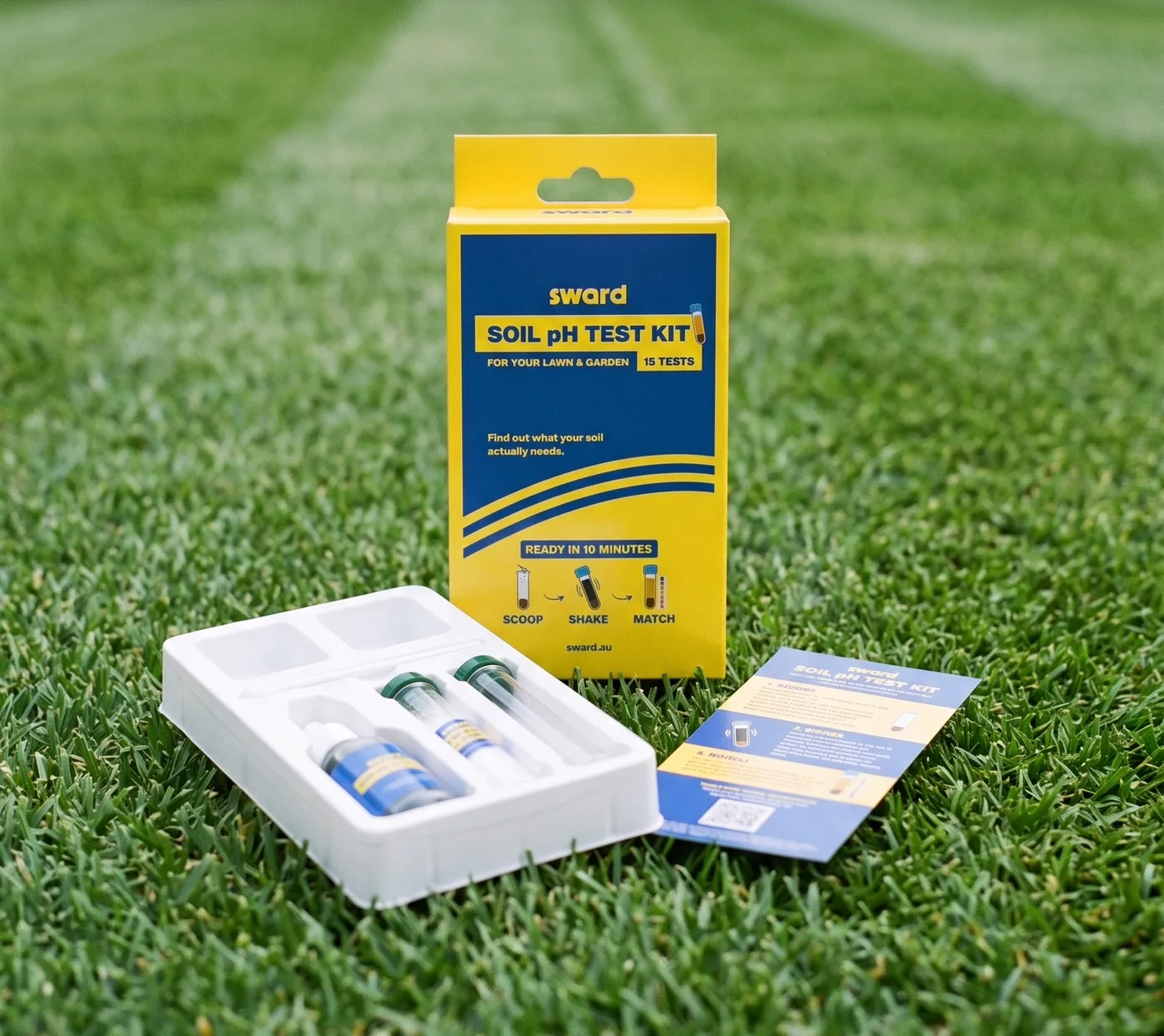
BY SWARD
SOIL pH TEST KIT
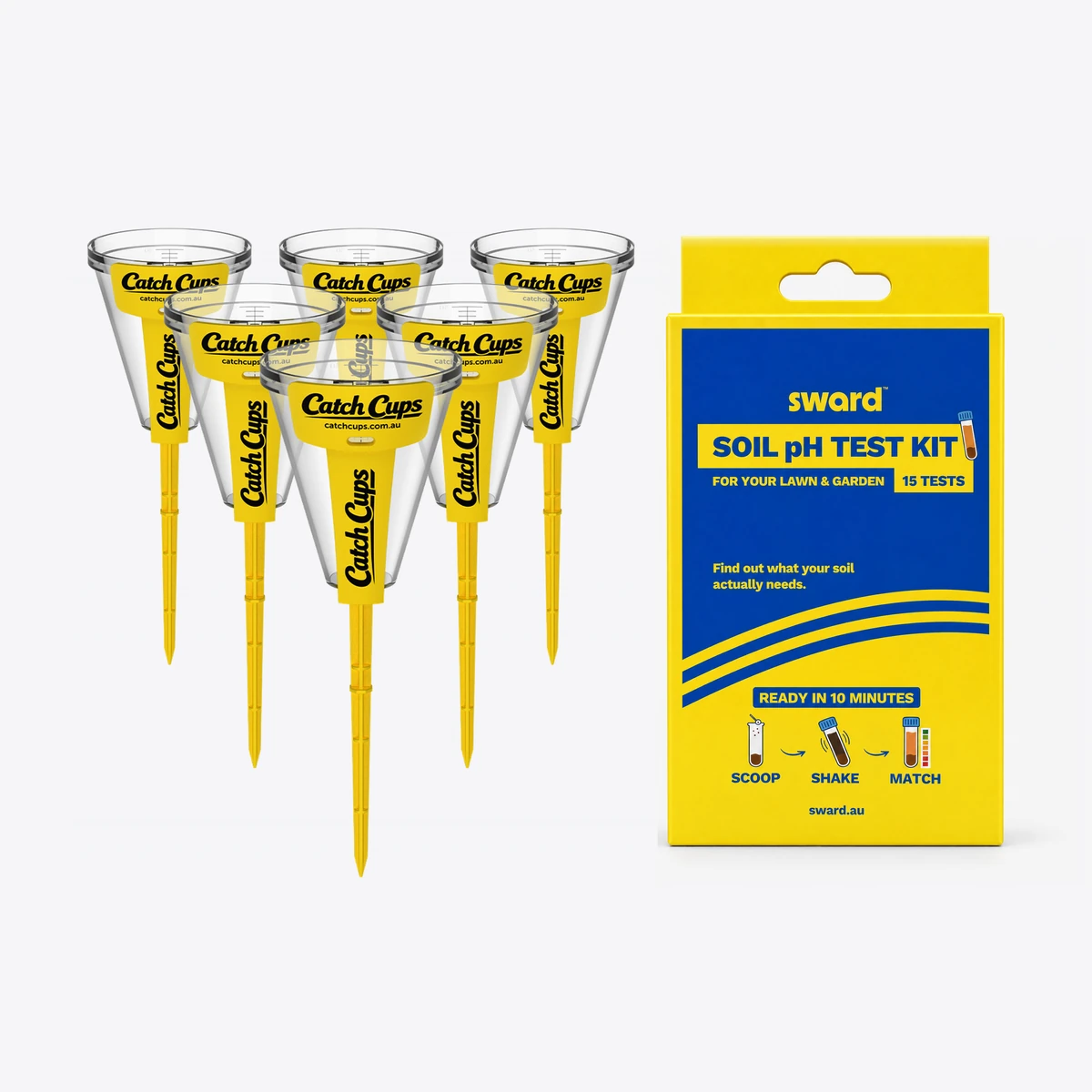
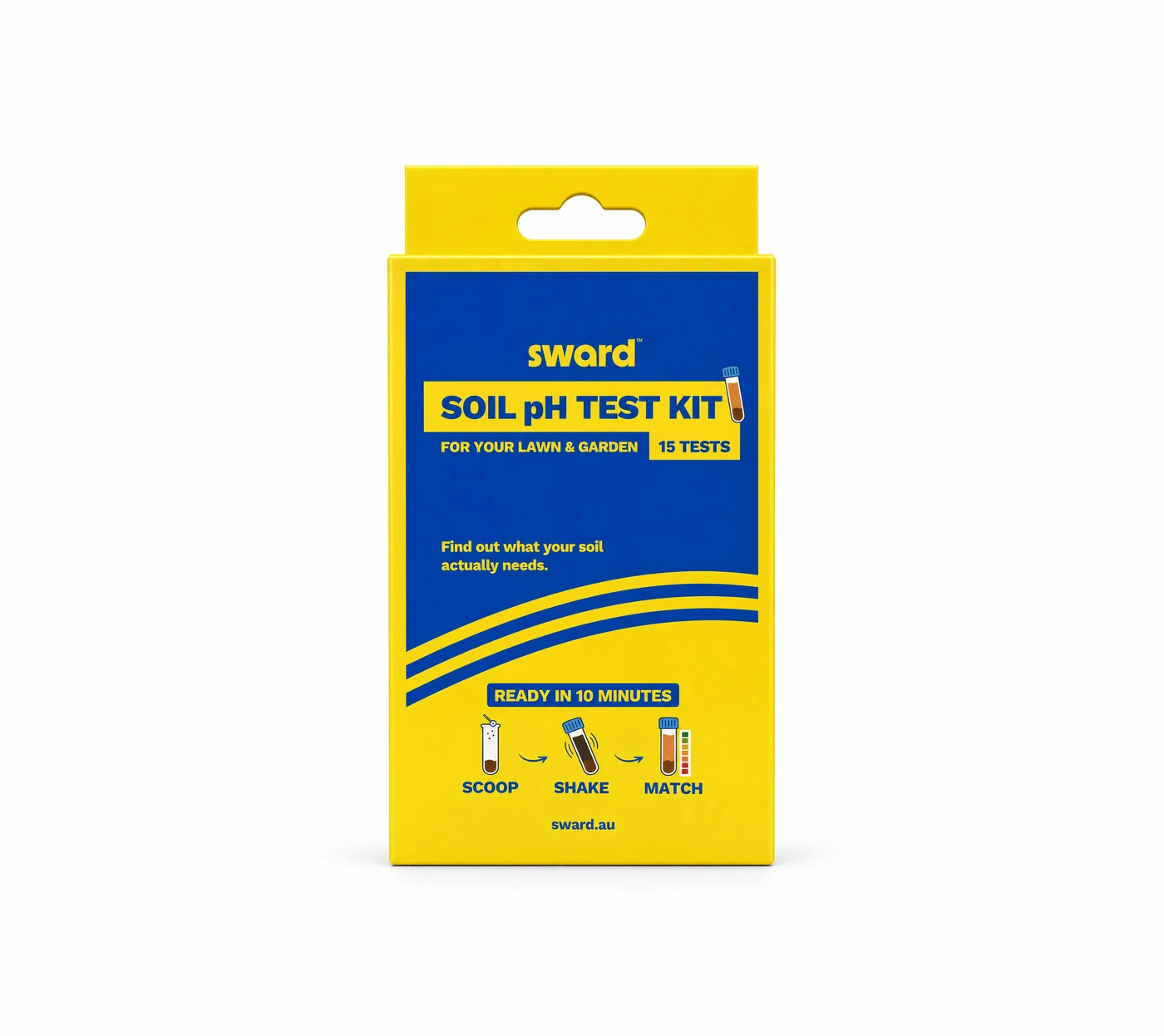
The Sward Soil pH Test Kit tells you where your soil’s pH sits, from 4.5 to 7.5, in about 10 minutes. Scoop, shake, match: 15 tests for your lawn, garden beds, pots and veggie patches.
$29.99
- 15 tests
- Ready in 10 minutes
- Lawn and garden
Match your colour in the Sward app to see the pH your lawn or plant should be and what to use.
HOW THE KIT WORKS
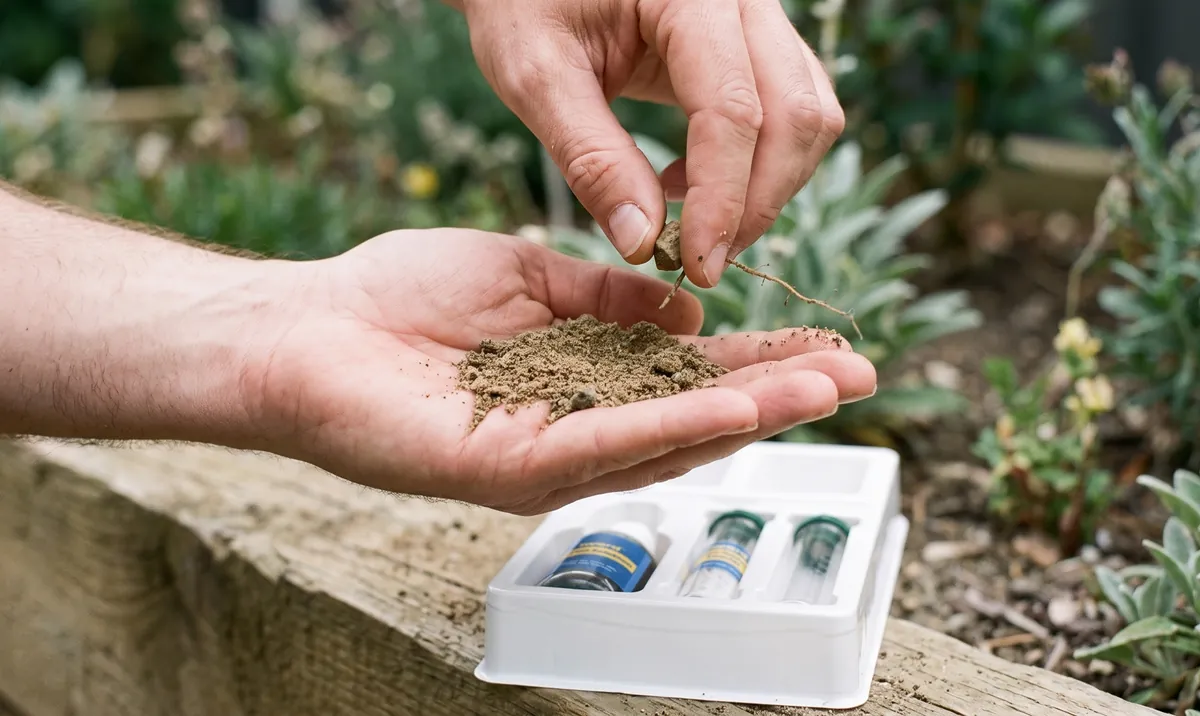
1. SCOOP
Dry a little soil from 5 to 12cm down. Fill the tube to the first mark, then add one scoop of settling powder.
2. SHAKE
Add test solution to the second mark, cap it and shake hard for 5 seconds. Stand it upright for 10 minutes.
3. MATCH
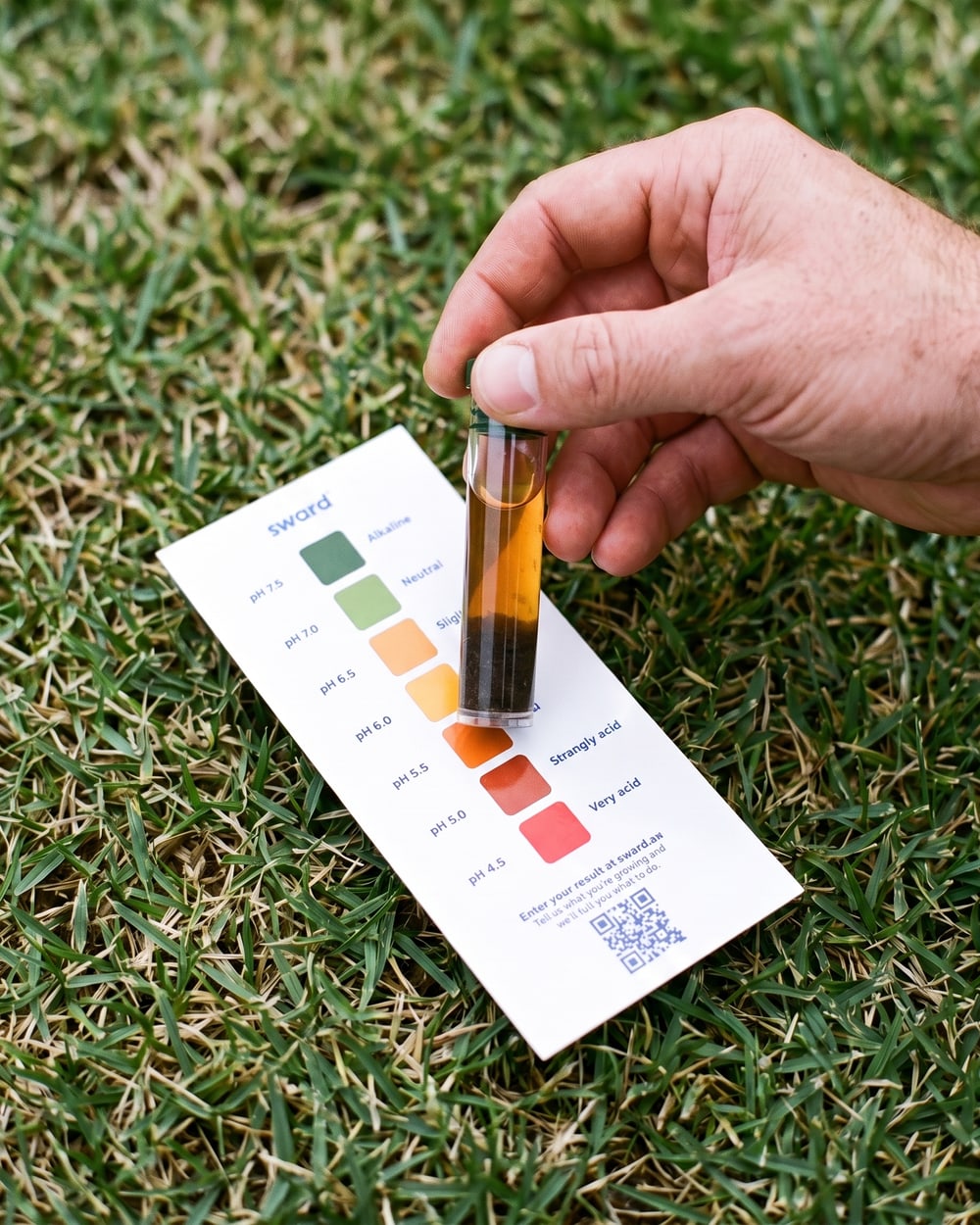
Hold the tube against the colour chart in daylight and match the clear liquid.
The Soil pH Test Kit is a colour-match test you run at home. Indicator dyes in the test solution change colour with your soil’s pH, a settling powder leaves the liquid clear, and you read the result against a printed chart from 4.5 to 7.5 in half steps.
Each box holds 15 tests, enough to check your lawn, every garden bed and your pots, then retest after you have fed or treated the soil.
TEST BEFORE
YOU FEED

Know before you spend
Once your soil’s pH is in range, your lawn and plants can take up the nutrients you give them. Test first, then buy what they can use.
Random products can go to waste
Feeding soil that sits outside the range can mean nutrients your lawn and plants struggle to take up.
The right product, not more product
The Sward app tells you the pH your lawn or plant should be and what to use.
Retest and compare
Log what you apply in the Sward app, then retest to see whether your pH has moved toward its range.
WHY SOIL pH
MATTERS
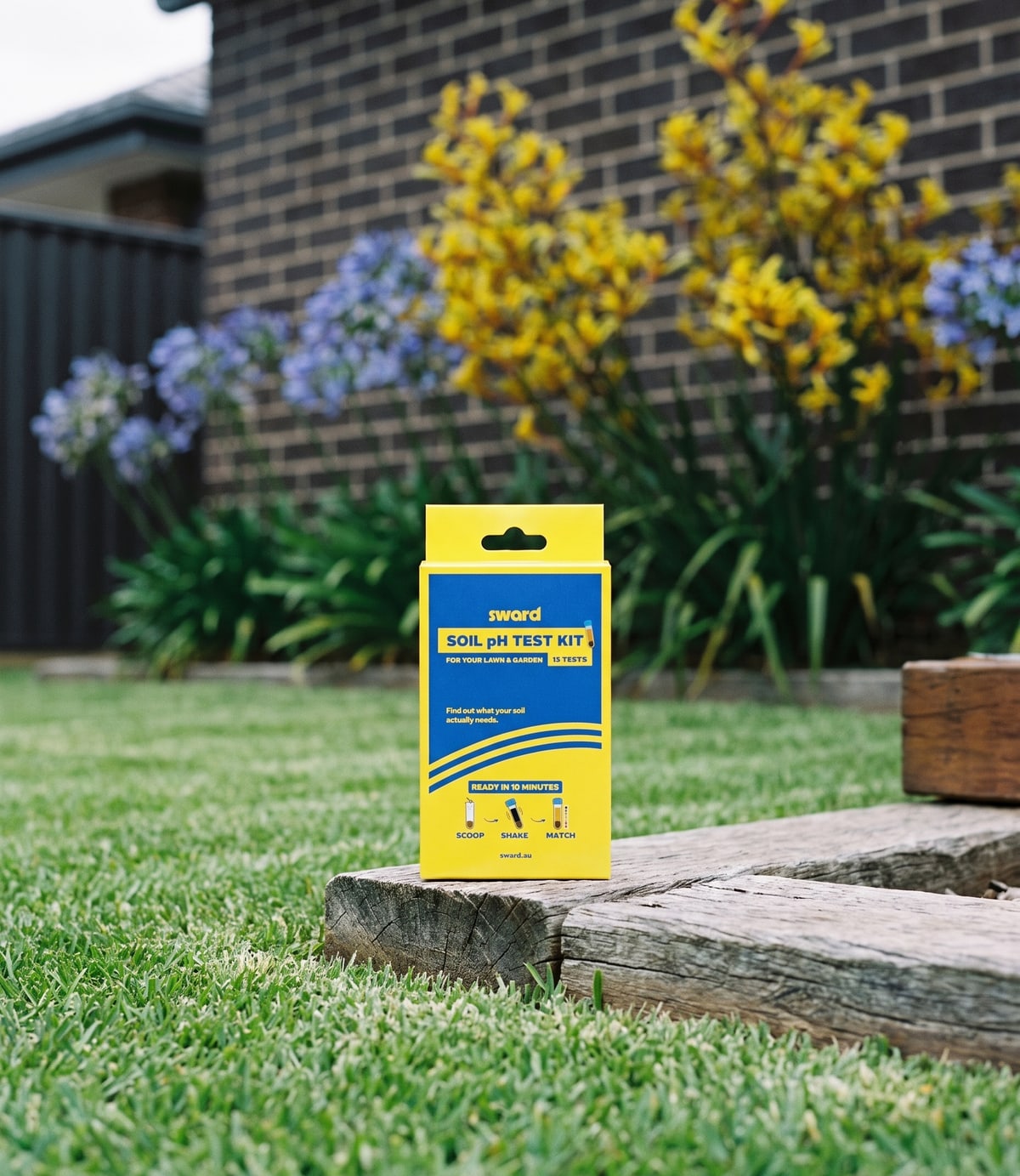
For your lawn
Soil pH changes how easily grass can take up nutrients. Most lawn grasses grow best at about 6 to 7.5. In alkaline soil, iron and manganese can be harder for grass to take up even when they are there, which can show as pale or yellowing new growth, and strongly acidic soil can hold a lawn back too.
For your plants
Plants differ. Most garden plants do well at about 6 to 7, while acid-loving plants such as camellias, azaleas and blueberries like it lower. Getting pH in range lets your lawn and plants use the nutrients they need.
A colour-match chemistry kit like ours is the method soil scientists recommend for home testing, unlike cheap probe meters.*
*Stevens, Dunn and Phipps, Journal of Extension 39(4), 2001.
YOUR GARDEN’S pH IN THE SWARD APP
We tell you the pH your plant or lawn should be through the Sward app.
Your garden profile
Add your lawn and the plants you grow, from natives to veggies, in one place.
pH for every plant
Match your colour in the app and see each reading against that plant’s ideal range.
Products and dates
Log what you apply and when, so you always know what went where.
Retests and progress
See your next retest date in the Sward app and follow each plant’s pH on its own chart.
Already have your kit? Enter your pH reading.
WHO THE KIT IS FOR
Lawns
Check your soil before you reach for more fertiliser.
Garden beds
Different plants like different pH levels, so test each bed on its own.
Veggie patches
Know where your soil sits before you plant the next crop.
Pots and planters
Test the mix in your pots the same way as garden soil.
WHAT THE KIT TELLS YOU
Your soil’s pH level
Read from 4.5 to 7.5 in half steps against the printed chart.
Whether it suits your lawn
Most lawn grasses grow best at about 6 to 7.5.
Whether it suits your plants
Search your plants in the Sward app to see the pH each one prefers.
What it doesn’t measure
Nutrients, salts and soil type. A pH test reads acidity only.
FROM OUT OF RANGE TO IN RANGE
A plant in soil outside its pH range can struggle to take up what it needs, even when you feed it. Testing shows where your soil sits, so you can bring it back toward the range with the right product.
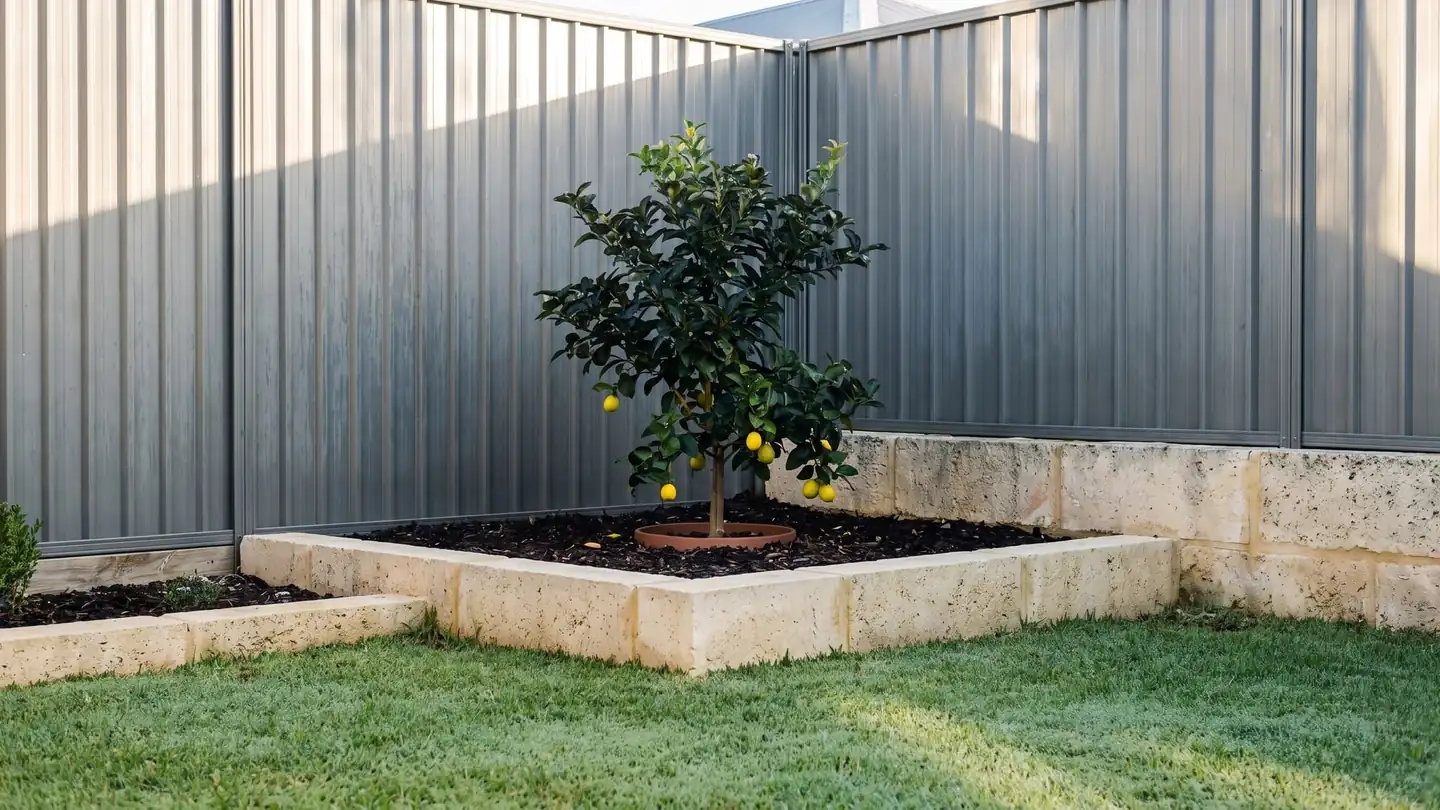
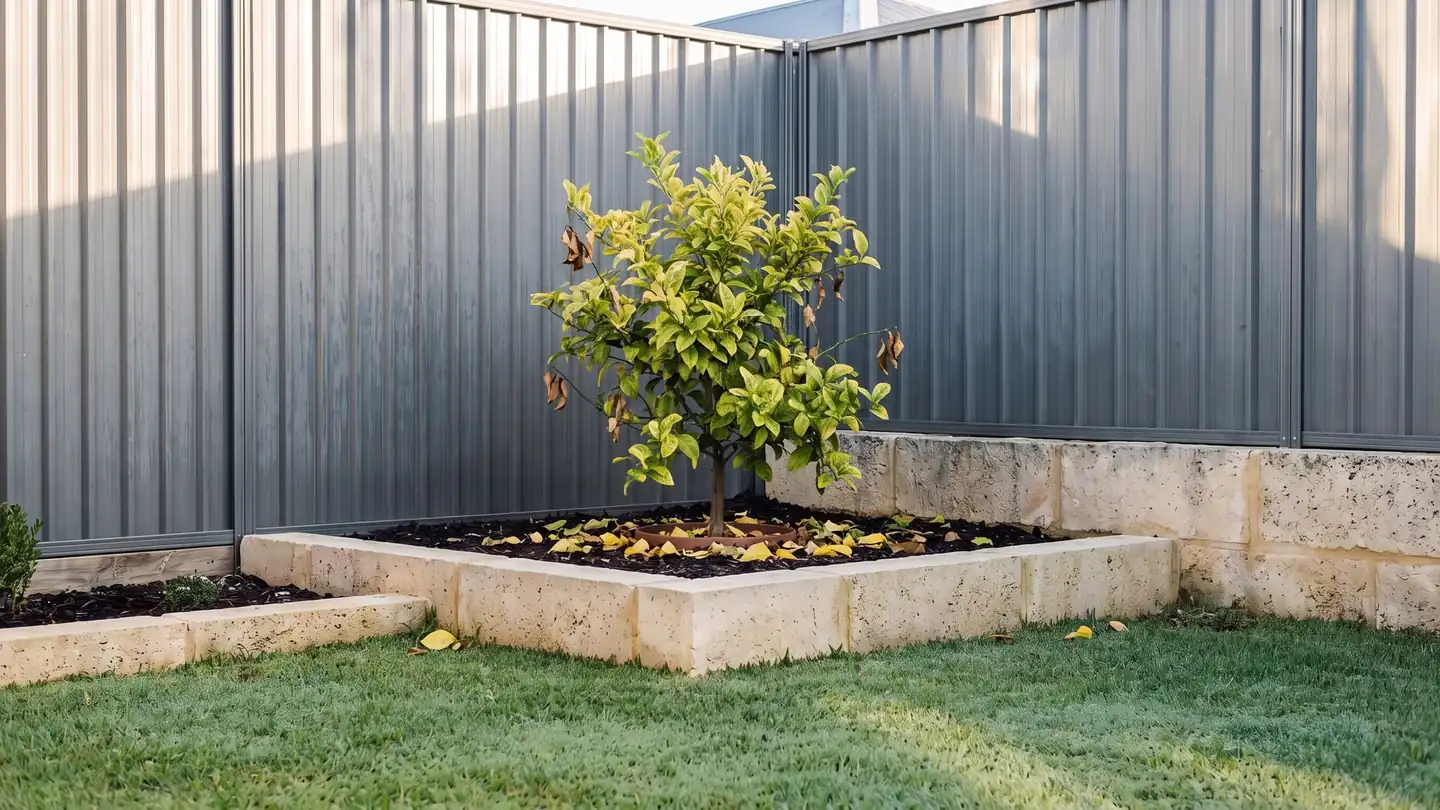
- Test. Run a soil pH test on the bed, pot or lawn that is struggling.
- Check. The Sward app tells you the pH your plant or lawn should be and what to use.
- Apply and log. Apply the right product and log it with the date in the Sward app.
- Retest. Retest on the date the Sward app sets and see whether the reading has moved.
Getting pH in range lets your lawn and plants use the nutrients they need.
FAQ
What pH should my lawn be?
Most lawn grasses grow best at about 6 to 7.5. The Soil pH Test Kit reads from 4.5 to 7.5 in half steps, and the Sward app tells you the pH your lawn should be and what to use if it sits outside that range.
What is the ideal soil pH for plants?
Most garden plants do well at about 6 to 7, while acid-loving plants such as camellias, azaleas and blueberries like it lower. Search your plants in the Sward app to see the pH each one prefers.
How do I test soil pH at home?
Take a little soil from 5 to 12cm down and let it dry. Fill the tube to the first mark, add a scoop of settling powder, add test solution to the second mark, cap it and shake hard for 5 seconds. Stand it upright for 10 minutes, then match the clear liquid against the colour chart in daylight.
Why does soil pH matter?
Soil pH changes how easily your lawn and plants can take up nutrients. In alkaline soil, iron and manganese can be harder for grass to take up, and strongly acidic soil can hold a lawn back too. Getting pH in range lets your lawn and plants use the nutrients they need.
What if my reading is low?
At 5.5, most warm-season lawns cope, so re-test in autumn before doing anything. At 5.0 or lower, lime or dolomite may help raise it; re-test after two to three months.
What is in the Soil pH Test Kit?
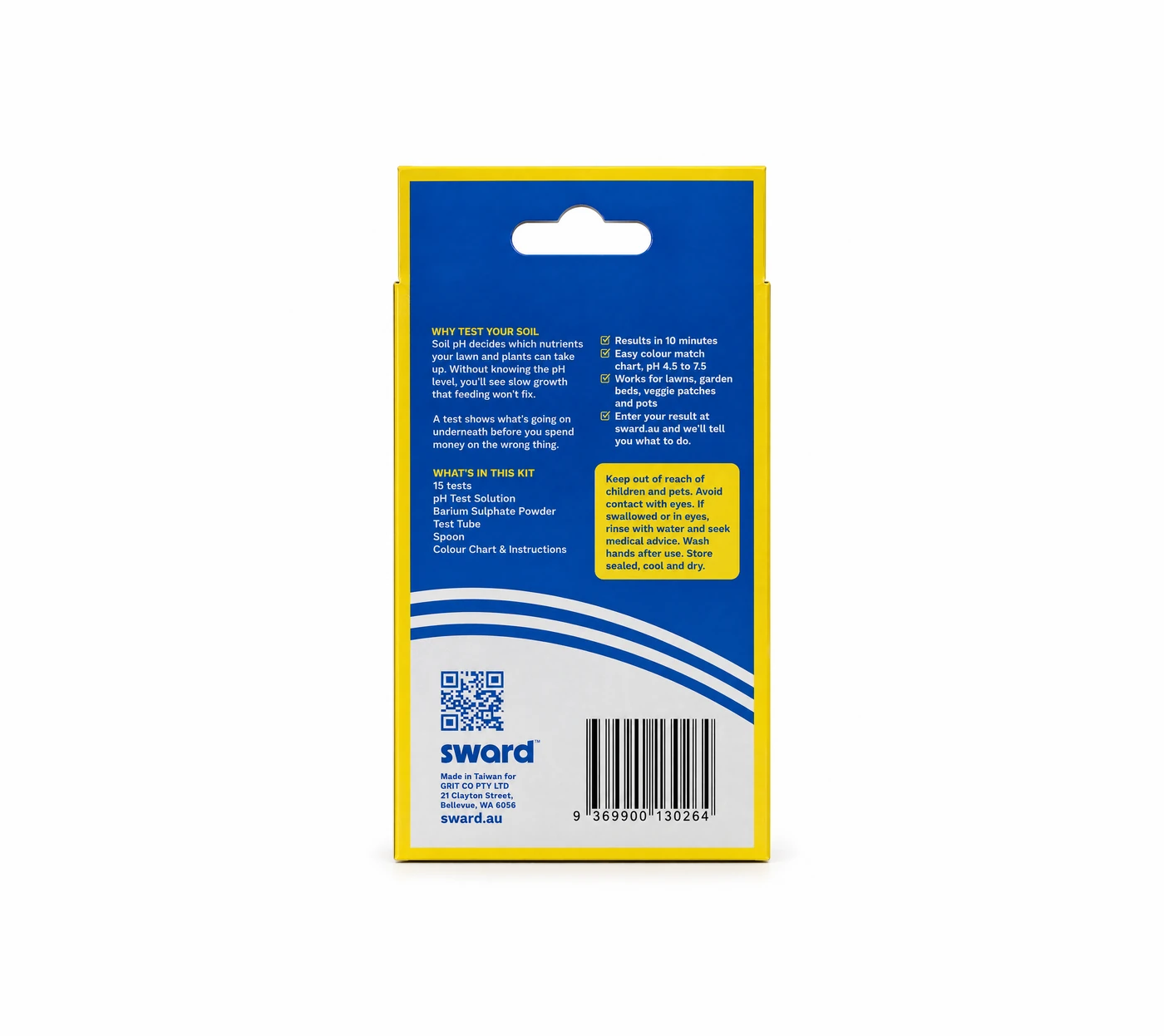
Everything the three steps use: a test tube with a cap, the settling powder and its scoop, the test solution and the printed colour chart. The box holds 15 tests.
How long does a soil pH test take?
About 10 minutes once your soil is dry. Fill the tube, add the powder and the solution, shake hard for 5 seconds, then stand it upright for 10 minutes and match the colour in daylight.
Can I test garden beds, pots and veggie patches?
Yes. Test each garden bed, pot and veggie patch on its own, since different plants like different pH levels. In the Sward app you can search the plants you grow to see the pH each prefers.
Does the kit measure nutrients?
No. It reads your soil’s pH level only. It doesn’t measure nutrients, salts or soil type, or tell you whether soil is safe for growing food.
Do I need the Sward app for the Soil pH Test Kit?
No. The kit works on its own with its printed colour chart. The Sward app tells you the pH your lawn or plant should be and what to use, and keeps every reading in one place.